
Top 8 AI Engines & Tools in 2026
An in-depth look at the most popular AI engines and tools in 2026, how they work, and why they matter for search, discovery, and business decisions.


AI engines are no longer experimental tools or novelty interfaces. They have become primary gateways to information, recommendations, and decision-making across nearly every industry. For many users, asking an AI assistant has replaced traditional search queries, documentation lookup, and even vendor research. This shift has fundamentally changed how information is discovered and how brands compete for visibility.
What defines a “top AI engine” in 2026 is not raw model size or technical benchmarks alone. The most influential platforms are those that combine strong reasoning, real-time retrieval, trusted sources, and user-friendly interfaces that fit naturally into daily workflows. These engines do not just generate text. They interpret intent, synthesize knowledge, and increasingly act as intermediaries between users and the web.
This article breaks down the most important AI engines in 2026, what makes each one powerful, and how they are shaping the future of search, research, and digital visibility.
ChatGPT (OpenAI)
ChatGPT remains one of the most influential AI engines in 2026, largely because of how deeply it has embedded itself into everyday knowledge work. What began as a conversational assistant has evolved into a multi-purpose reasoning engine capable of research, summarization, analysis, planning, and decision support across industries.
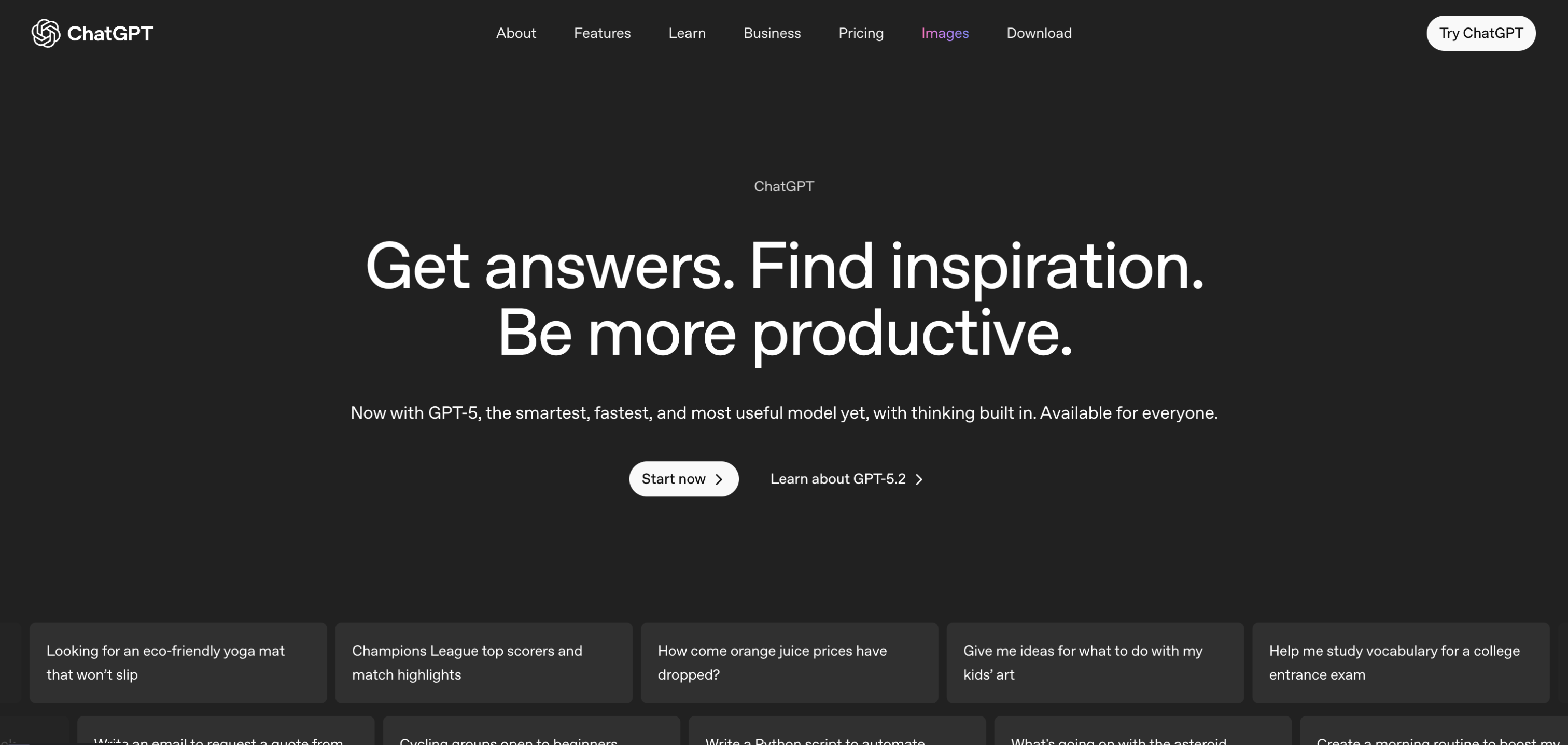
One of ChatGPT’s defining advantages is its balance between natural language reasoning and structured retrieval. Through integrations like browsing, retrieval-augmented generation, and tools such as OpenAI Atlas, ChatGPT can synthesize information from trusted sources while maintaining conversational clarity. This makes it especially valuable for users seeking explanations rather than links, and for businesses that want their content accurately represented rather than simply ranked.
From a visibility perspective, ChatGPT has changed the rules entirely. Being present in its answers depends less on keyword placement and more on whether content is clear, authoritative, and usable by AI systems. Brands that succeed here are those that explain concepts thoroughly, maintain consistent messaging, and build trust signals across the web.
Google Gemini
Google Gemini represents Google’s response to the AI-first search era, combining large language models with the company’s vast index of web content, structured data, and real-time information. Unlike traditional Google Search, Gemini is designed to reason across sources and deliver synthesized answers rather than lists of results.
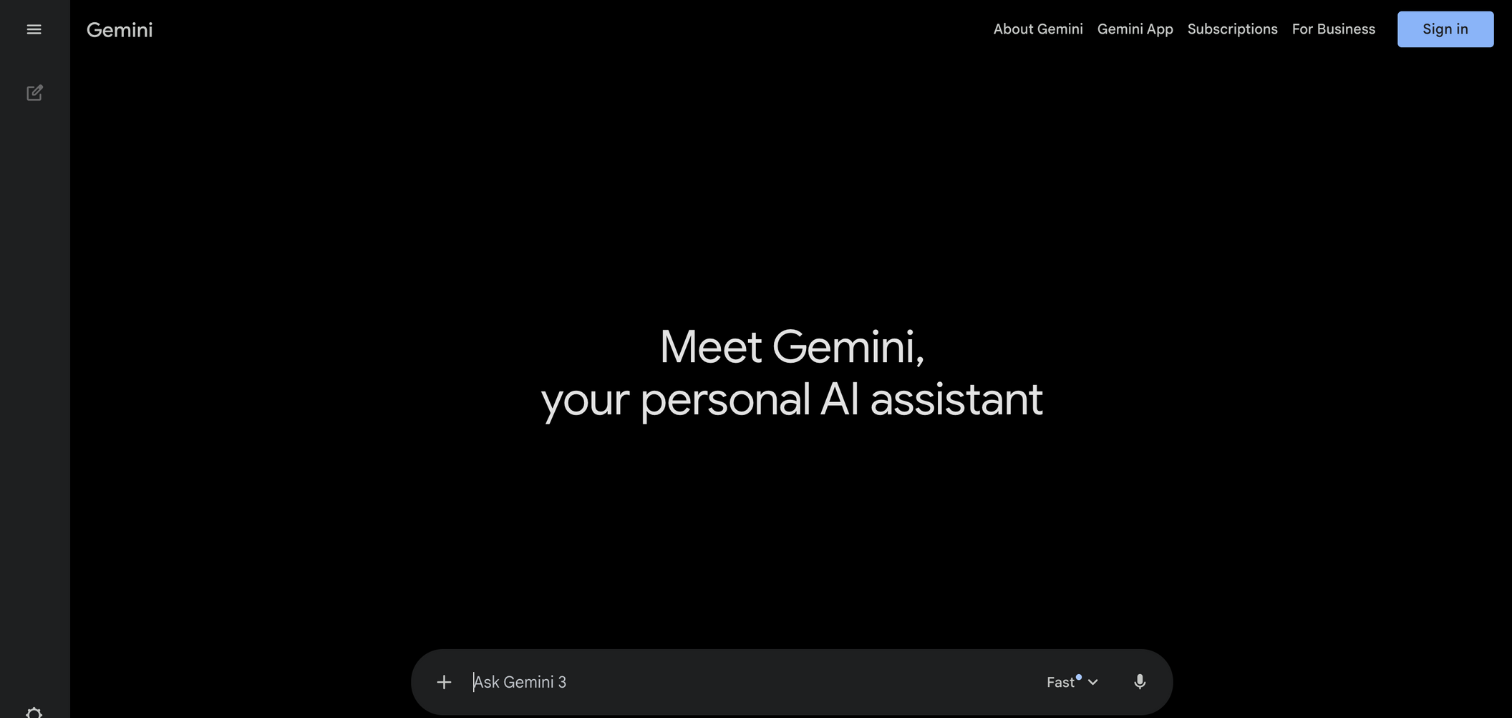
The core strength of Gemini lies in its access to fresh data and its ability to blend generative responses with verified sources. This makes it particularly effective for queries that require up-to-date information, complex comparisons, or multi-step reasoning. For users, this reduces the friction of jumping between tabs and interpreting conflicting sources.
For businesses and publishers, Gemini reinforces the importance of technical clarity and structured data. Content that is well-organized, factually accurate, and aligned with user intent is far more likely to be surfaced or referenced. Gemini also places a premium on authority and reliability, favoring sources that demonstrate subject-matter expertise over generic content.
Microsoft Copilot
Microsoft Copilot has emerged as one of the most practical AI engines in 2026, not because it is flashy, but because of how seamlessly it integrates into professional workflows. Embedded across Microsoft 365, Windows, and enterprise tools, Copilot operates where work actually happens.

Its strength lies in contextual intelligence. Copilot understands documents, spreadsheets, emails, and presentations in real time, allowing users to analyze, summarize, and generate insights directly inside their tools. This makes it less about discovery and more about execution, turning AI into a productivity layer rather than a separate destination.
From a business perspective, Copilot has elevated the importance of internal content quality. Documentation, knowledge bases, and internal resources that are clearly written and well-structured are far more useful when interpreted by AI. Copilot rewards clarity, consistency, and completeness, reinforcing the same principles that govern external AI visibility.
Perplexity
Perplexity has positioned itself as the AI engine for users who care deeply about sources, transparency, and credibility. Unlike many generative platforms, Perplexity emphasizes citation-first answers, showing users exactly where information comes from and how conclusions are formed.

This approach has made Perplexity especially popular among researchers, analysts, and professionals who need confidence in the information they consume. Its interface blends conversational responses with a clear trail of references, making it easier to validate claims without sacrificing speed.
For publishers and brands, Perplexity highlights a critical shift in AI visibility. Being useful to AI engines increasingly means being useful to humans as well. Clear explanations, primary research, and well-supported claims are far more likely to be cited than thin or promotional content. In this ecosystem, credibility is not optional.
Claude (Anthropic)
Claude has earned a reputation in 2026 as one of the most reliable engines for long-form reasoning, nuanced explanations, and complex document analysis. Its strength lies in handling extended context, which makes it particularly effective for policy analysis, legal review, technical documentation, and strategic planning.

Claude’s emphasis on safety, alignment, and thoughtful reasoning has made it a trusted choice for organizations that prioritize accuracy and clarity over speed alone. It excels at summarizing long documents without losing nuance and at answering questions that require careful interpretation rather than surface-level responses.
For content creators and businesses, Claude reinforces the value of depth. Pages that provide full explanations, contextual background, and clear logical flow are far more likely to be understood and reused by systems like Claude. Shallow content simply does not perform well in environments that reward comprehension over brevity.
Amazon Q
Amazon Q represents a different category of AI engine, one focused on enterprise knowledge and operational intelligence. Built to work within Amazon’s ecosystem, Q specializes in understanding internal data, workflows, and documentation to support decision-making inside organizations.
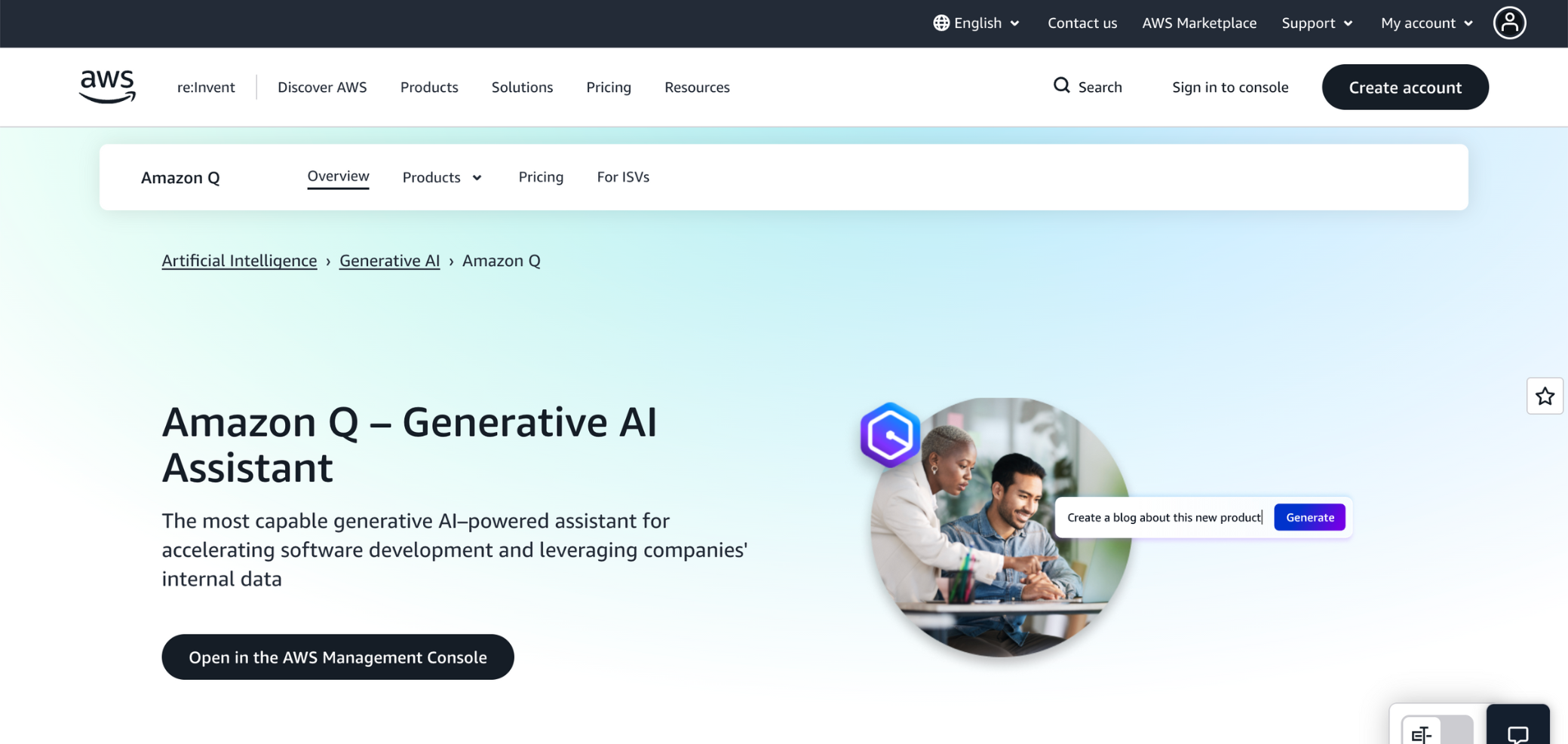
Its primary value comes from contextual awareness. Amazon Q can reason over internal systems, policies, and data in ways that generic AI assistants cannot. This makes it particularly powerful for operations, logistics, customer service, and technical teams that need fast, accurate answers grounded in internal truth.
While Amazon Q is not a public discovery engine in the traditional sense, it highlights an important trend. AI visibility is not just external. Organizations must increasingly optimize internal content so it can be understood and leveraged by AI systems that drive efficiency and insight from within.
Meta AI
Meta AI has continued to expand across social platforms, messaging apps, and content creation tools. Its strength lies in scale and cultural awareness, operating inside environments where billions of users already spend time.

Rather than focusing on research-heavy queries, Meta AI excels at recommendation, creativity, and conversational assistance within social contexts. It plays a significant role in shaping how content is discovered, shared, and interpreted in real time, especially for consumer brands.
For marketers, Meta AI reinforces the importance of brand consistency and narrative clarity. AI systems operating in social ecosystems draw from public perception, engagement patterns, and contextual signals. Brands that communicate clearly and consistently across platforms are far more likely to be represented accurately in AI-generated responses.
Apple Intelligence
Apple Intelligence has emerged as a privacy-first AI engine tightly integrated into Apple’s ecosystem. Rather than positioning itself as a web-wide discovery tool, it focuses on on-device intelligence, personal context, and secure reasoning across user data.
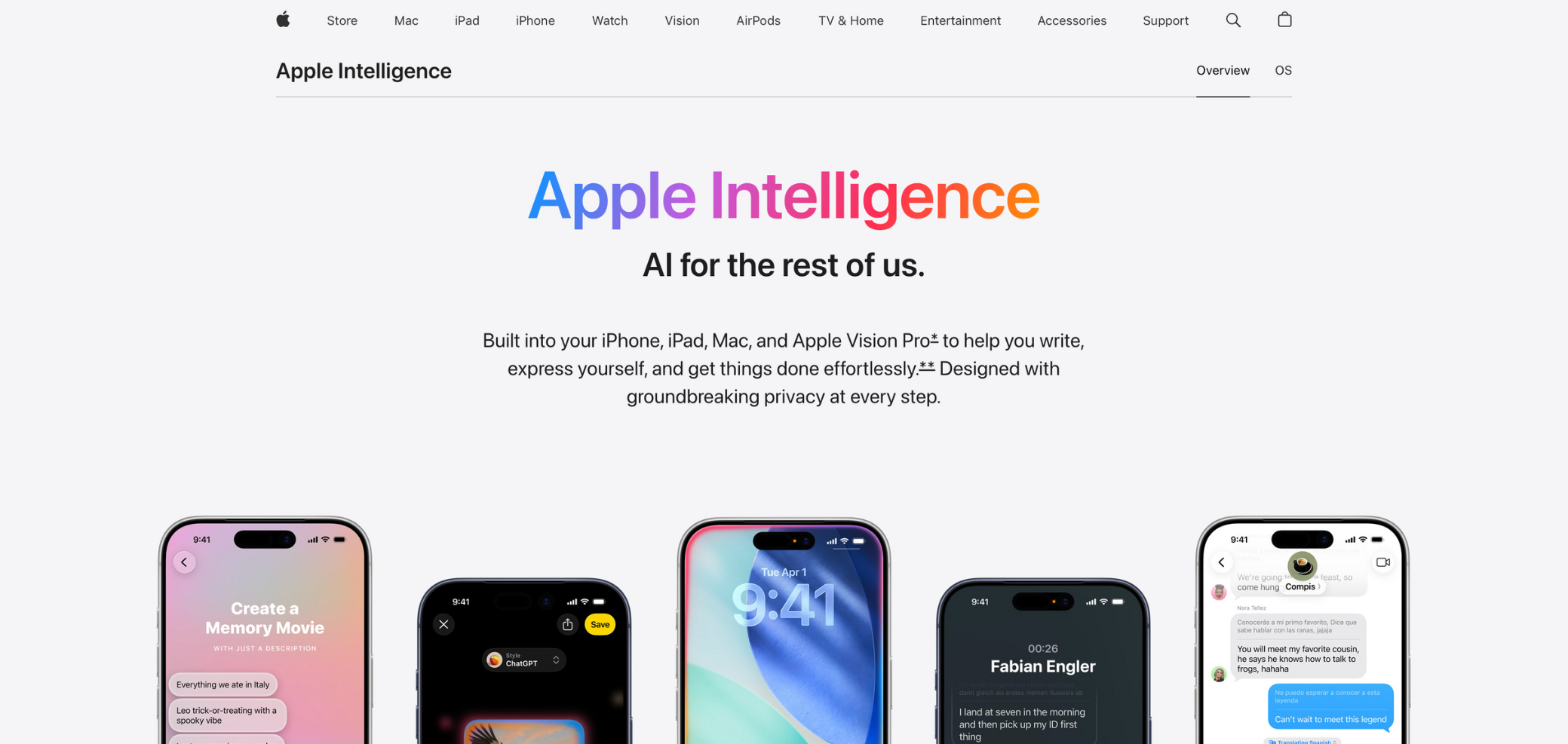
Its value lies in trust and control. Apple Intelligence prioritizes user privacy while delivering practical assistance across messaging, productivity, and device-level interactions. While it is less visible as a public search engine, it plays a growing role in how users interact with information day to day.
For businesses, Apple Intelligence signals the importance of clean, accessible content that works across devices and contexts. AI engines embedded at the OS level reward clarity and simplicity, ensuring information can be interpreted quickly and accurately.
What These AI Engines and Tools Have in Common
Despite differences in interface and use case, the top AI engines in 2026 share several defining characteristics. They prioritize clarity over keywords, authority over volume, and usefulness over optimization tricks. They reward content that explains rather than promotes and that answers real questions in plain language.
These engines are also converging on similar retrieval patterns. Structured content, well-written FAQs, comprehensive guides, and consistent terminology perform far better than fragmented blog posts or thin landing pages. AI engines favor sources they can trust and understand without ambiguity.
AI Engines and Tools: Trends for 2026
While many discussions focus on AI purely through the lens of search and SEO, the reality in 2026 is broader. The most influential AI systems today include not only search-centric engines, but also embedded AI tools such as Apple Intelligence, operating system assistants, productivity copilots, and recommendation layers built directly into devices and software.
These tools may not look like traditional search engines, yet they shape discovery, understanding, and decision-making in equally meaningful ways.
Across these systems, a shared set of principles has emerged. They prioritize clarity over keyword matching, coherence over volume, and usefulness over promotional intent. Whether an AI is answering a question, summarizing content, drafting a message, or assisting with a task, it relies on content that explains concepts clearly and consistently. Vague positioning, buzzword-heavy language, or marketing-first copy creates friction for AI systems that are designed to reduce ambiguity, not amplify it.
Another defining similarity is how these tools interpret authority. AI engines and embedded AI assistants alike favor sources that demonstrate subject-matter depth through explanation rather than assertion. A clear definition, a logical progression of ideas, and consistent terminology signal reliability.
This applies whether the AI is pulling from public web content, licensed sources, or contextual data stored across apps and devices. Content that can be easily understood and reused performs better than content that requires interpretation or inference.
These tools are also converging around similar information structures. Well-organized guides, descriptive documentation, and thoughtfully written FAQs consistently outperform fragmented or overly optimized content.
Even in environments where SEO and/or GEO is not the goal, AI systems need structured, unambiguous material to summarize, adapt, and present to users. Thin pages or disjointed explanations fail not because they are poorly optimized, but because they are difficult for AI systems to reason about with confidence.
Why AI Tools Matter for Businesses and Brands
AI tools now operate far beyond the boundaries of traditional search. When someone asks Apple Intelligence to summarize a topic, uses an AI assistant to compare software options, or relies on an embedded copilot to draft recommendations, brands are being interpreted and represented in the background.
These systems influence how users understand categories, evaluate alternatives, and form opinions long before a website visit or sales conversation occurs.
This shift means visibility is no longer only about being found. It is about being accurately represented. If an AI assistant explains your category without mentioning your approach, or frames competitors as the default solution, that perception becomes part of the user’s mental model.
Conversely, when an AI tool consistently references your terminology, use cases, or expertise, it reinforces credibility and trust even in the absence of direct interaction.
Businesses that recognize this change invest in clarity and consistency across all of their content, not just SEO-driven assets. They ensure that product descriptions, documentation, blogs, help centers, and thought leadership all reinforce the same narrative. This makes it easier for AI systems embedded in devices, browsers, and applications to correctly understand and reuse their information.
In 2026, successful brands optimize not only for clicks or rankings, but for comprehension across AI systems. They understand that AI tools act as intermediaries between them and their audience, shaping perception at scale. Designing content that AI can confidently interpret is now a core part of brand strategy, not a technical afterthought.
Top AI Engines and Tools in 2026
The most impactful AI engines and tools in 2026 are not confined to search results pages. They include conversational AI, OS-level intelligence like Apple Intelligence, enterprise copilots, creative assistants, and recommendation systems embedded across software ecosystems.
Together, these tools form an intelligence layer that filters, summarizes, and contextualizes information for users in real time.
What makes these systems powerful is not just their ability to retrieve information, but their ability to interpret it. They decide which sources to trust, which explanations to surface, and which brands to include in their outputs. For businesses and creators, understanding how these tools source and synthesize information is critical to maintaining relevance.
Optimizing for AI engines and tools is no longer about chasing algorithms. It is about building content that is structurally sound, conceptually clear, and aligned with how people actually ask questions and make decisions. Brands that do this effectively position themselves to appear not only in search results, but inside the AI-driven experiences that increasingly define how users learn, choose, and act in an AI-first world.
Learn about our GEO approach
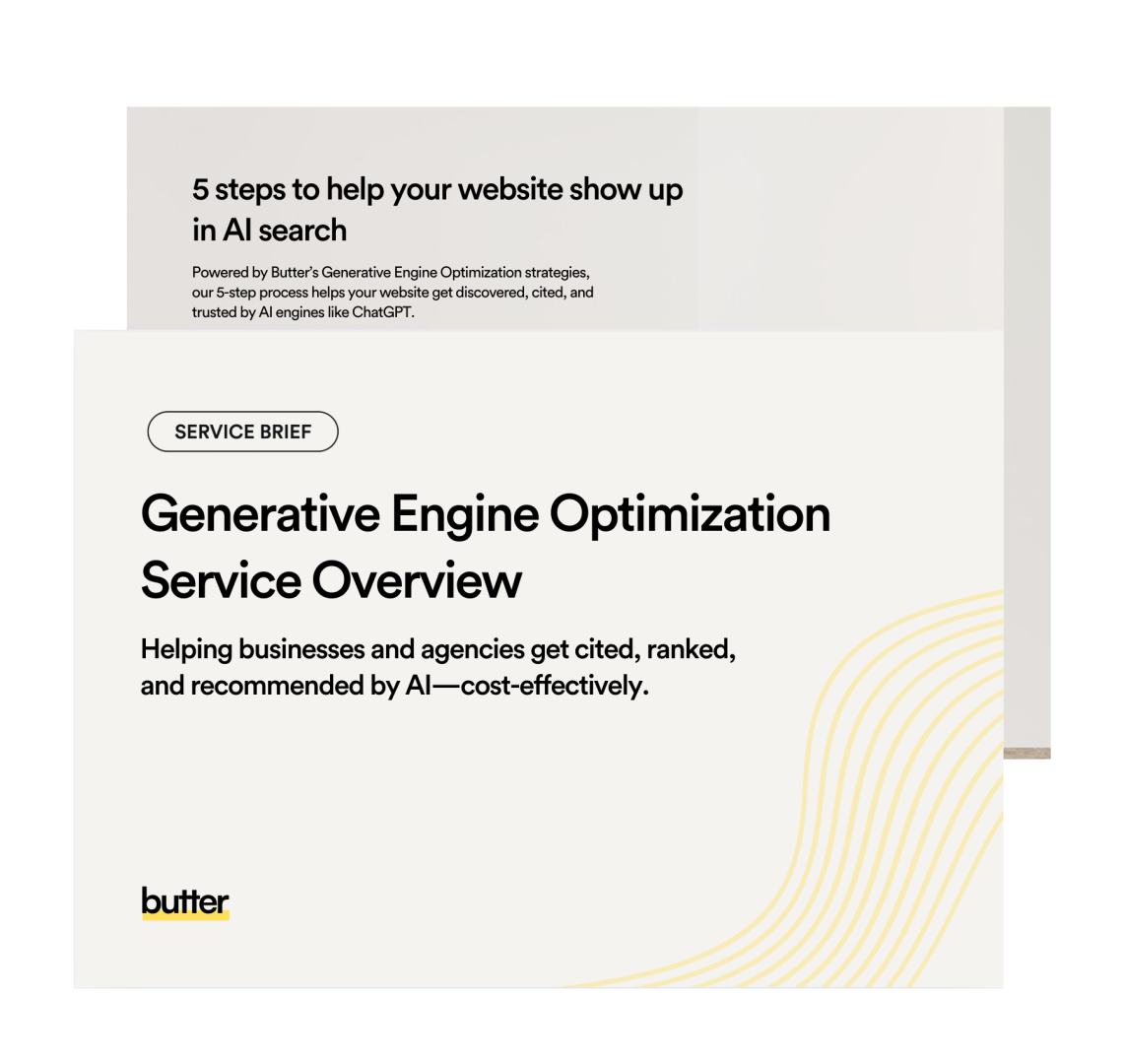
Generative Engine Optimization from Butter
AI engines like ChatGPT are changing how people discover products and services. Instead of showing ten blue links like Google, they generate direct answers, pulling from trusted sources across the web. This guide breaks down how Butter’s GEO service helps your website become one of those trusted sources.
Budget-friendly GEO & SEO services
GEO
Reliable managed GEO to help your business show up in generative engines.
$399/mo
.png)
GEO+SEO
Everything in the GEO plan, plus managed full-service search engine optimization.
$799/mo
.png)
AI visibility & search marketing add-ons
Public Relations
$299
AI Ads
$399
Social Media
$499

Butter saves me stress and frees up 50% of my time to focus on growing my new business.
Khaled A., Owner at Sebala Assisted Living
Join the websites already partnering with Butter for GEO and SEO
Show up in Google, ChatGPT, and AI search with Butter's GEO + SEO services. Starting at $399/month. No contract options. Cancel anytime.